Overgrown Fields Cut With Commercial Equipment
Bush hogging in Winston-Salem for rural acreage where multi-year brush exceeds what standard mowers can handle
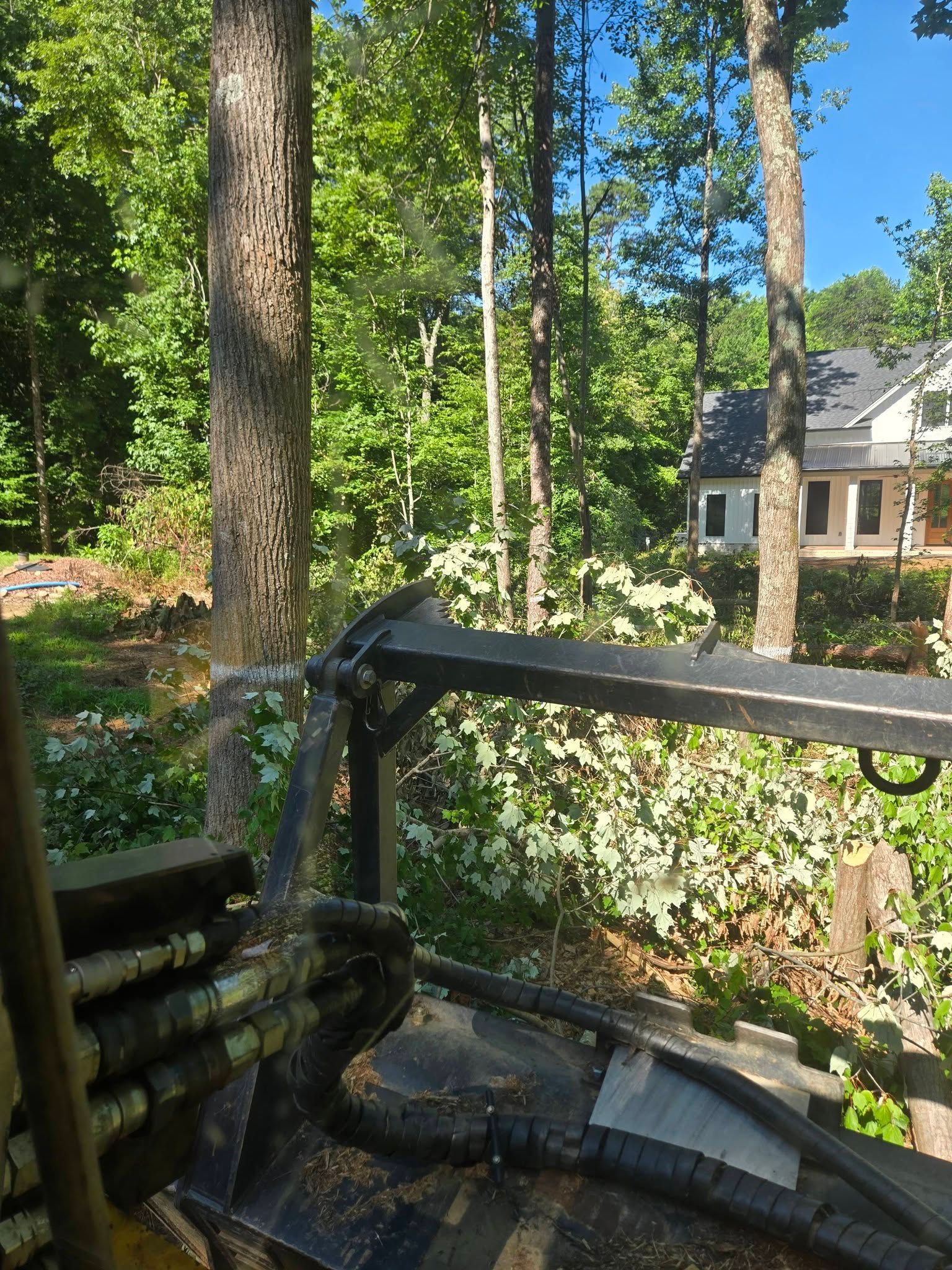
Overgrown fields and pasture edges across rural Surry and Forsyth counties exceed what a standard residential mower can handle, and attempting to cut multi-year growth with undersized equipment damages the machine or leaves the job half-finished. Professional bush hogging equipment is the only practical solution for reclaiming overgrown acreage, and B&G Land Management handles conditions well beyond typical pasture trim work. The Yadkin Valley corridor and Mount Airy outskirts see properties where vegetation has grown into multi-year brush requiring forestry-level equipment to address, not just a tractor with a finish mower attachment.
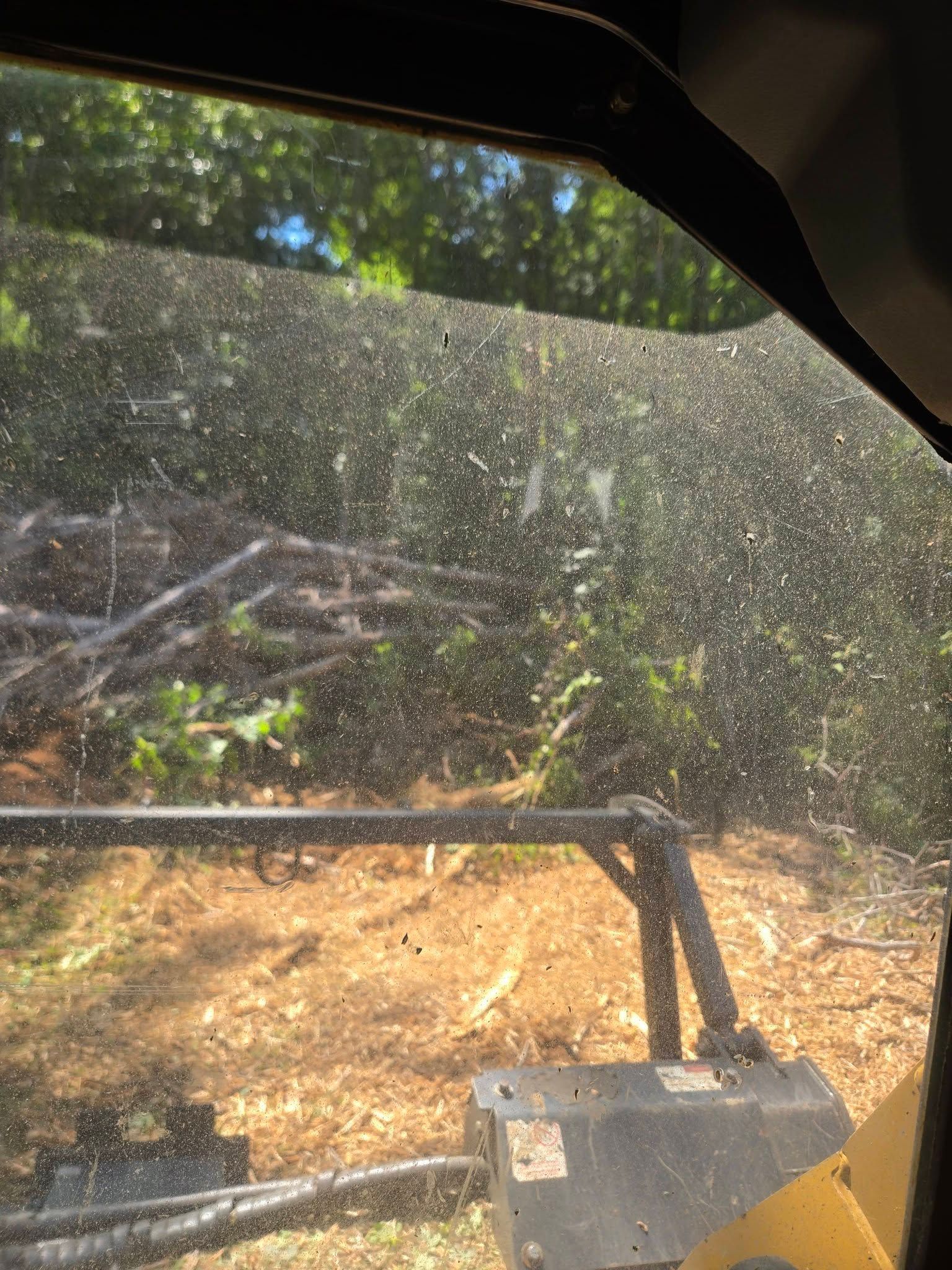
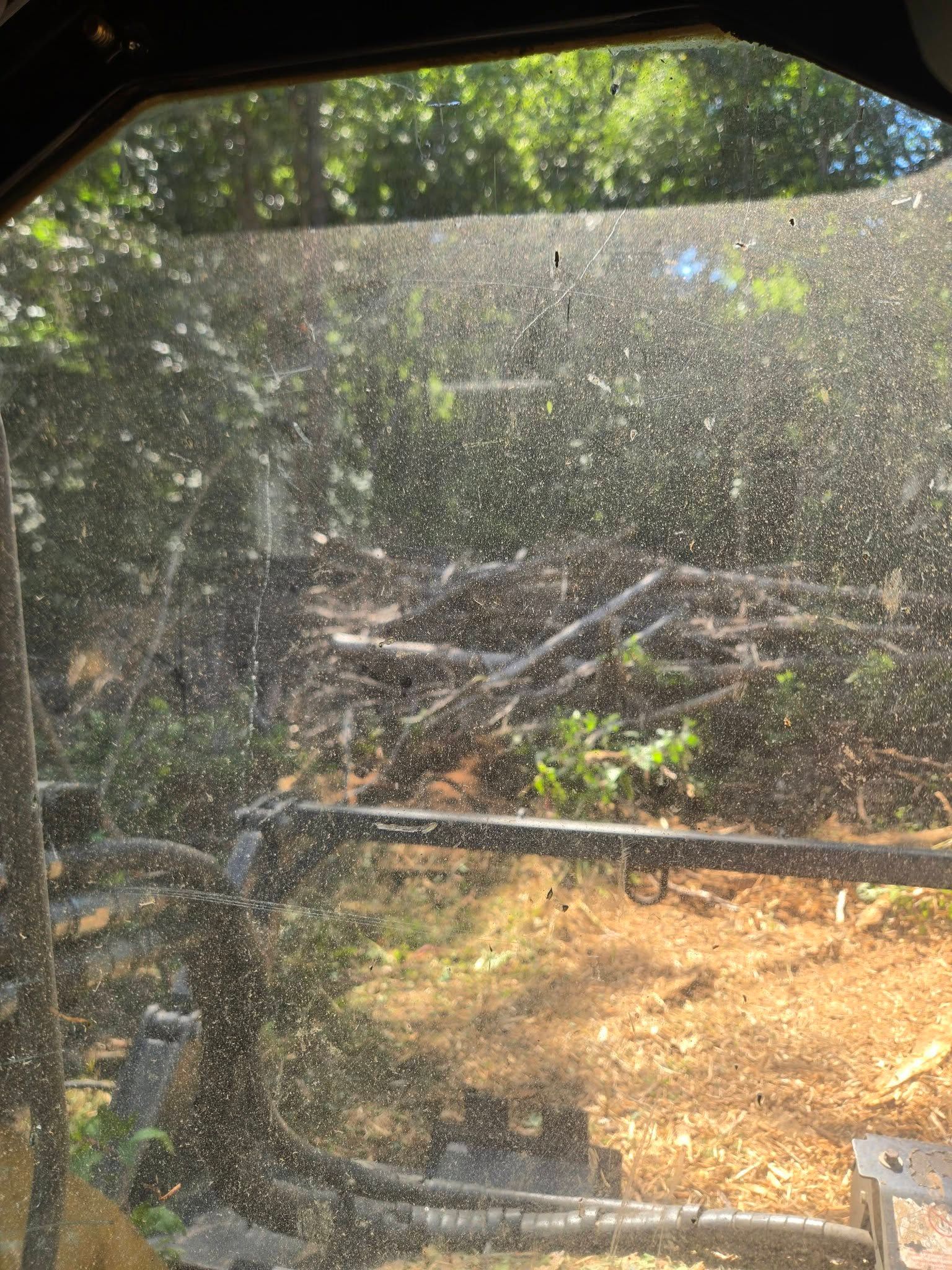
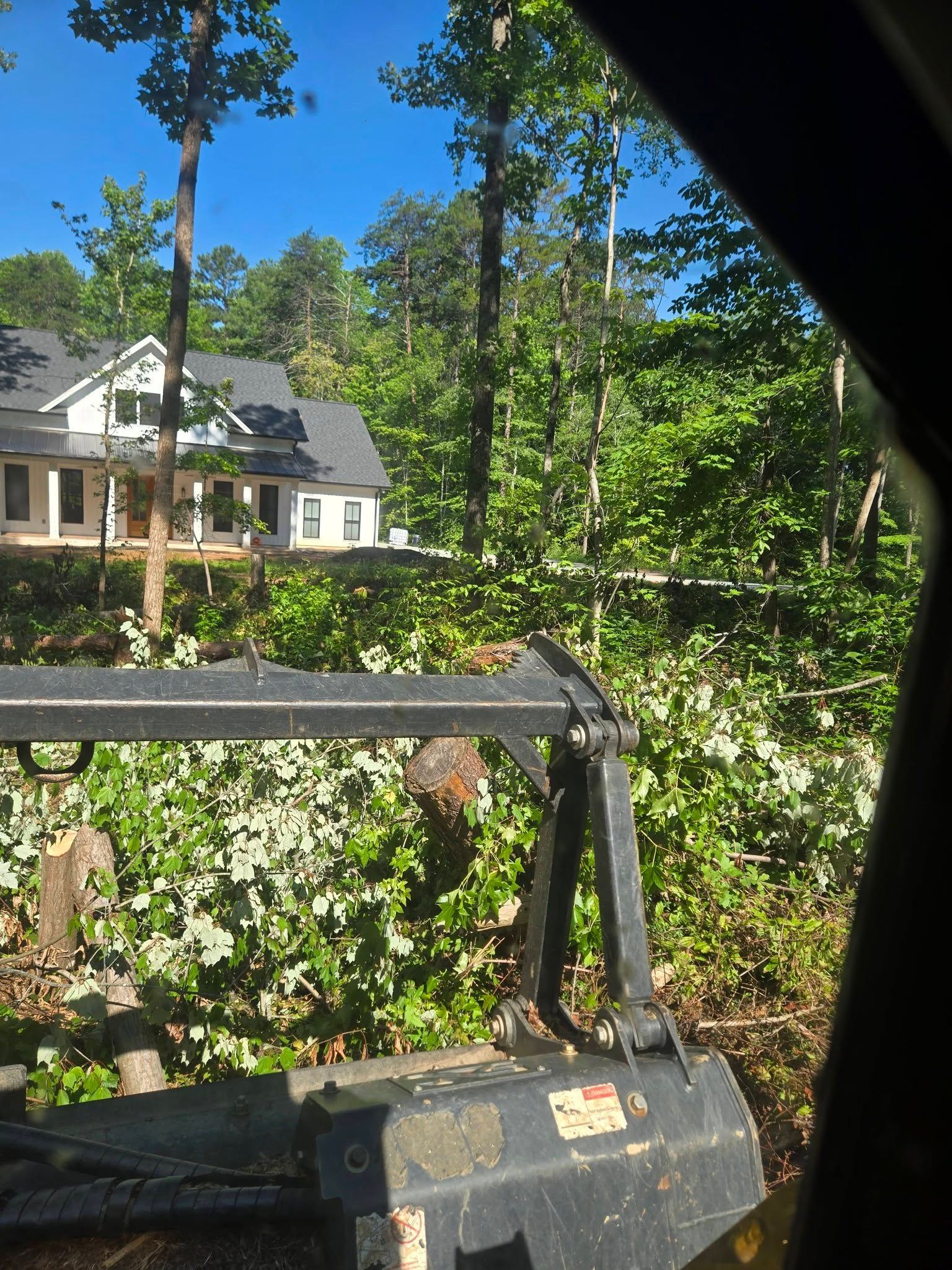
Bush hogging involves cutting thick vegetation, saplings, and overgrown fence lines using rotary cutters designed to handle stems up to several inches in diameter. The equipment cuts vegetation close to ground level and mulches material in place, which allows decomposition to return organic matter to the soil rather than creating windrows of dead brush. Heavy-duty bush hog attachments operate on commercial-grade tractors with sufficient horsepower and weight to power through dense growth without bogging down or leaving uncut strips.
Schedule a site visit to evaluate field conditions and determine what equipment is required to reclaim your overgrown acreage.
What Changes After Overgrown Fields Are Cut
Bush hogging reduces field vegetation to ground level, which opens sight lines across your property, eliminates tick and snake habitat in overgrown edges, and stops saplings from maturing into trees that require removal equipment to clear. Fields that have not been maintained for multiple growing seasons often contain mixed vegetation—grasses, brambles, volunteer hardwoods, and vines—that require multiple passes or adjustments to cutter height to process completely. The first pass cuts standing growth, and a second pass may be necessary if matted material needs further reduction.
After bush hogging is complete, you see cleared field surfaces where property lines and fence rows are visible again, and where mowing equipment can maintain the area going forward without fighting multi-year growth. Walking the property no longer means pushing through waist-high vegetation or navigating around sapling thickets. The cleared field is ready for agricultural use, pasture establishment, or periodic maintenance mowing to prevent regrowth from reaching the same overgrown condition.
Bush hogging does not produce a lawn-quality finish—the goal is to cut heavy vegetation to a manageable height, not create a manicured appearance. Properties requiring a clean finish after bush hogging may need follow-up mowing with lighter equipment once initial overgrowth is controlled. B&G's bush hogging is backed by the same commercial-grade equipment fleet used for forestry mulching, which means the operation is significantly more capable than hobby-level services competing in the Triad market.
Questions Before Starting Your Project
Rural property owners across the Triad dealing with overgrown fields and pasture edges want to understand what bush hogging can handle and how the process differs from standard mowing.
What vegetation conditions require bush hogging instead of regular mowing near Winston-Salem?
Bush hogging is necessary when vegetation includes saplings, thick brambles, or grasses that have grown beyond twelve inches in height. Standard residential mowers cannot safely cut stems exceeding half an inch in diameter, and attempting to mow overgrown fields damages blades and drive systems. Bush hog equipment is built to handle the stem diameter and vegetation density that exceeds lawn mower capacity.
How often should overgrown fields be bush hogged to prevent regrowth?
Bush hogging once per growing season keeps most fields under control after the initial reclamation cut. Properties with aggressive regrowth or high moisture may require two passes per year—one in late spring and another in late summer—to prevent saplings and brambles from reestablishing. Consistent maintenance mowing after bush hogging reduces the need for repeated heavy cutting.
What equipment distinguishes commercial bush hogging from hobby-level operations?
Commercial bush hog cutters use reinforced decks, hardened blades, and slip-clutch or shear-pin protection systems designed for continuous operation in thick vegetation. The tractors powering commercial cutters typically exceed sixty horsepower and carry enough weight to maintain traction in soft or uneven ground. Hobby-level bush hogging relies on lighter tractors and finish mowers that struggle with dense growth and stem diameters exceeding one inch.
How does ground condition affect bush hogging cost and feasibility?
Soft ground, steep slopes, and areas with hidden stumps or debris slow cutting speed and increase equipment wear. Properties with relatively level, dry ground allow faster cutting and lower cost per acre. The crew evaluates ground conditions during the site visit to provide an accurate estimate and identify areas requiring extra caution or multiple passes.
What happens to cut vegetation after bush hogging is complete?
Cut material is mulched in place and left to decompose, which returns organic matter to the soil and eliminates the need for raking, baling, or hauling debris. Material decomposes over several weeks depending on moisture and temperature. Properties requiring a completely clear surface after cutting may need follow-up raking or another pass with mulching equipment to further reduce material size.
B&G Land Management provides free estimates on bush hogging projects across rural Triad properties, with service backed by twenty years of combined industry experience and three million dollars in liability coverage. Call to arrange a property visit where the crew can assess field conditions, vegetation density, and equipment requirements specific to your acreage.