Walls Built to Hold Piedmont Slopes
Retaining Walls in Winston-Salem for Slope Stabilization, Erosion Control, and Property Improvement Across the Triad
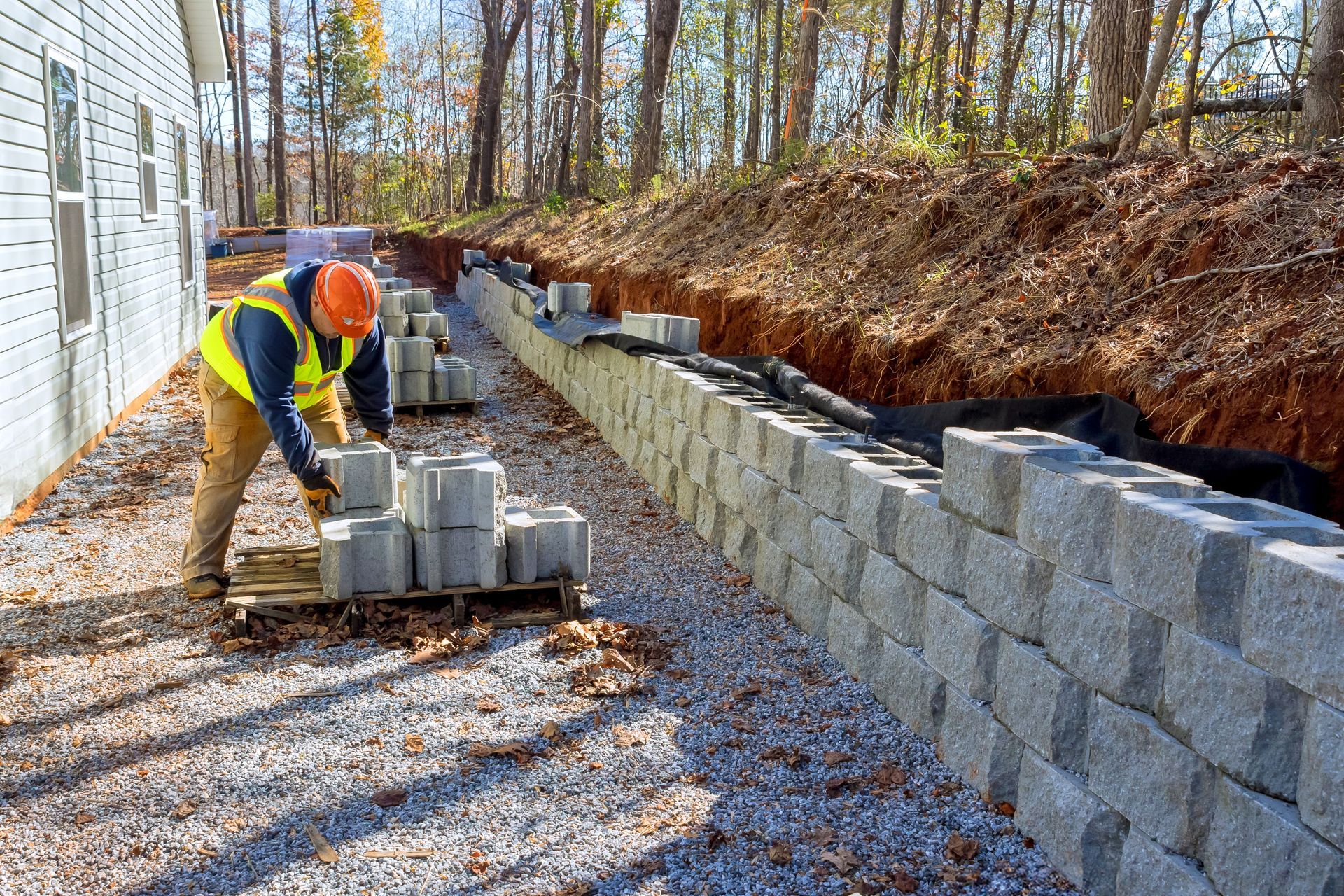
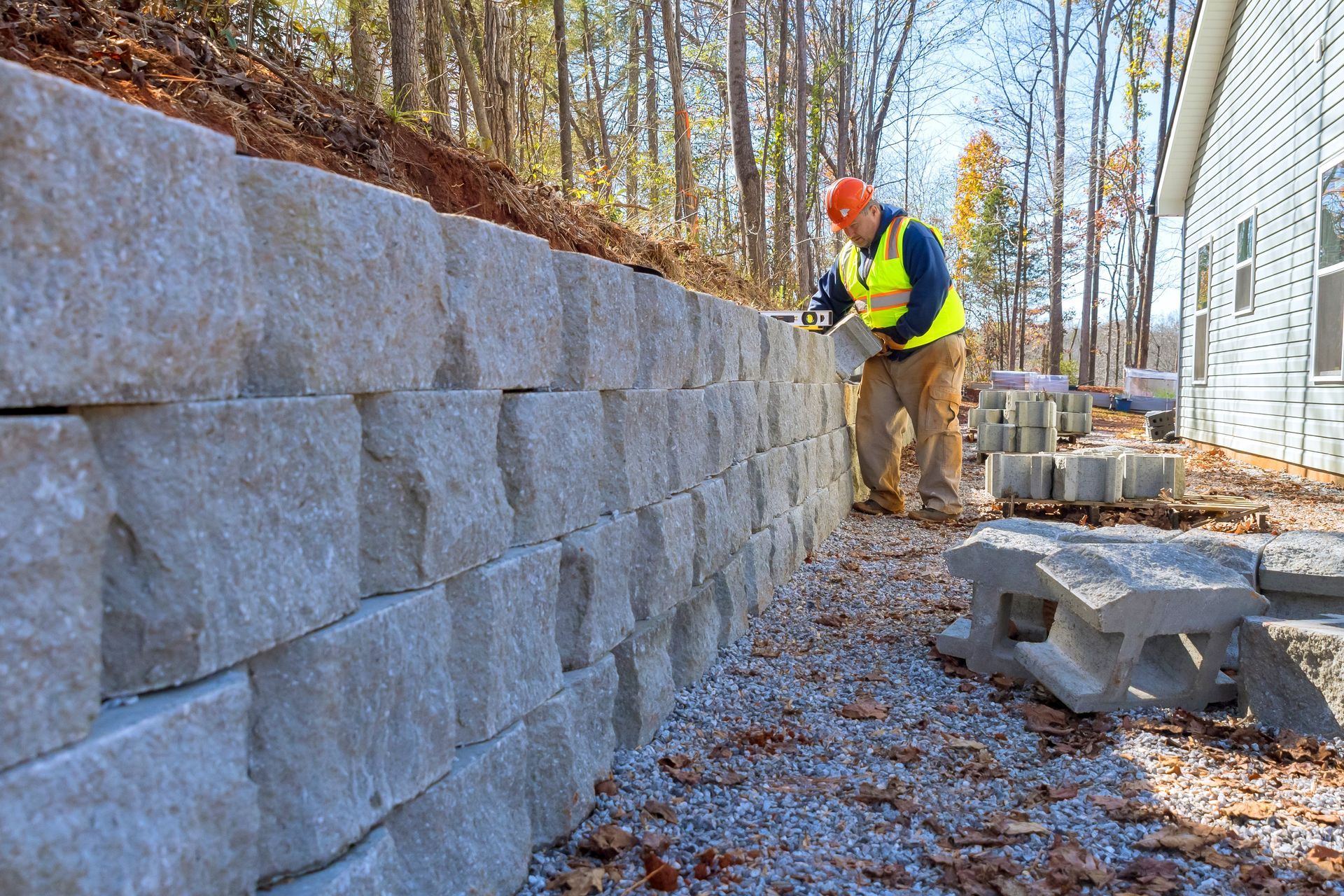
Sloped Piedmont terrain and red clay movement create hydrostatic pressure on hillside lots, and retaining walls on properties in the Mount Airy outskirts and rural Forsyth County must be built to hold, not just look good from the driveway. B&G Land Management installs retaining walls for slope stabilization and erosion control across the Triad, incorporating wall work naturally during active site work when heavy equipment is already on the property. Wall material and approach are selected based on slope load and site conditions, not a one-look solution applied to every project, and the crew brings paver walkway and retaining wall experience from residential and new construction sites.
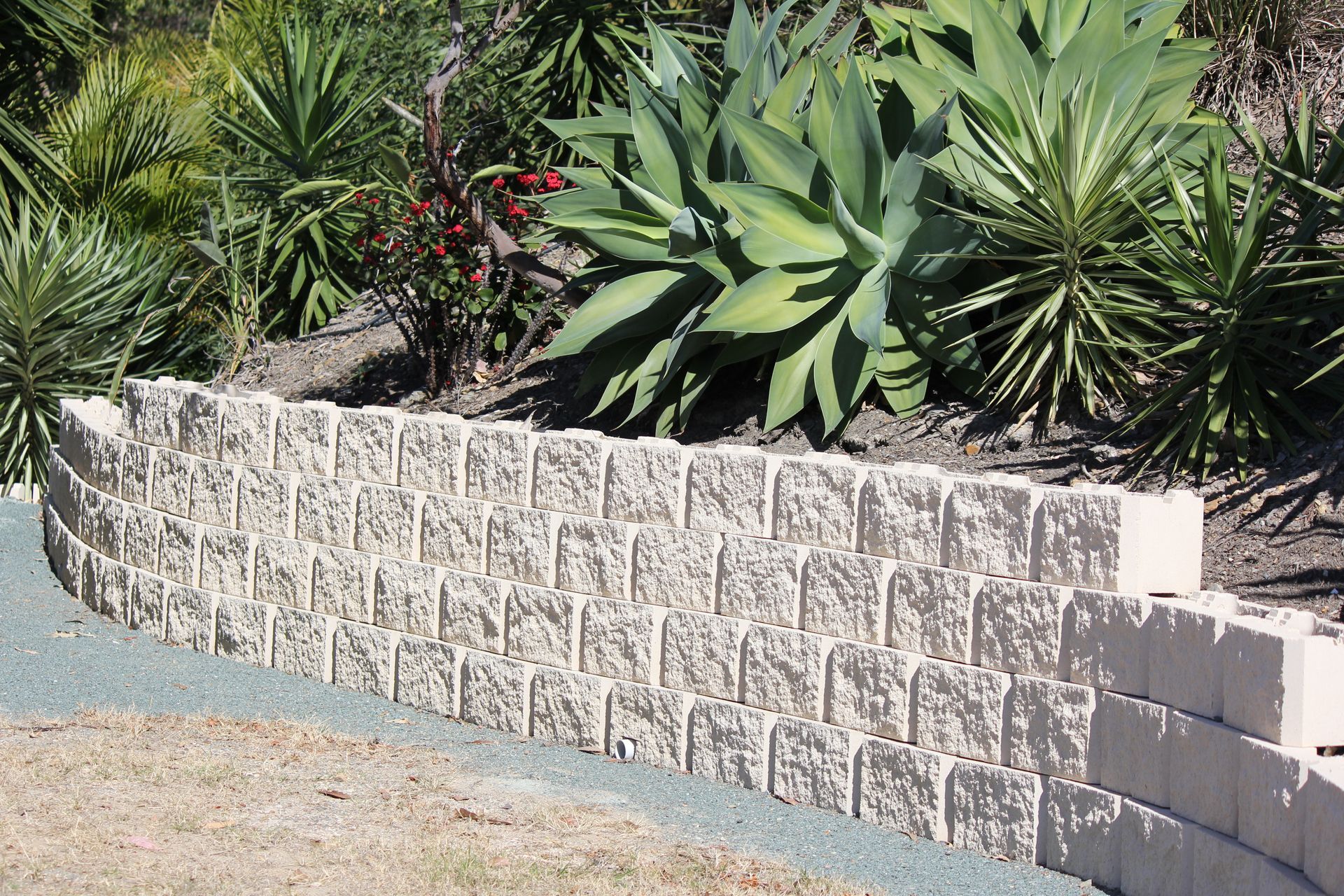
Retaining walls hold back soil on sloped properties, preventing erosion and creating usable space where grade would otherwise make the area unstable. The crew evaluates slope load, soil conditions, and drainage patterns to determine wall placement and material selection, and the work gets done while grading equipment is already on site.
Request a free estimate to review your property's slope and determine the retaining wall approach that stabilizes the grade and controls erosion.
What Changes After a Retaining Wall Is Built
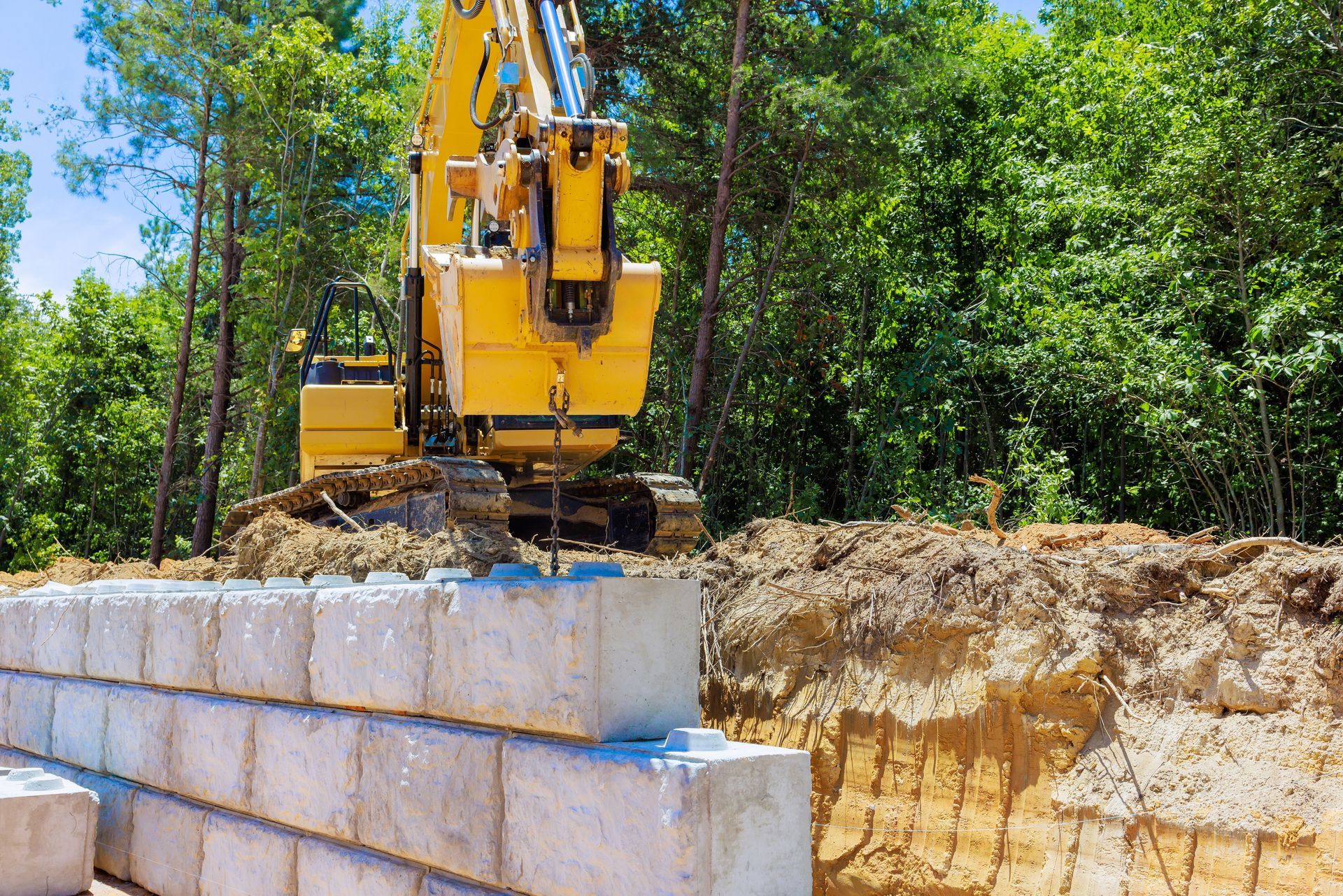
The wall holds back soil that would otherwise shift or erode, and it establishes a level transition between different grade elevations on the property. B&G incorporates rockwork and wall placement during site work, so the wall gets built in coordination with grading and drainage rather than as a separate project that requires bringing equipment back later.
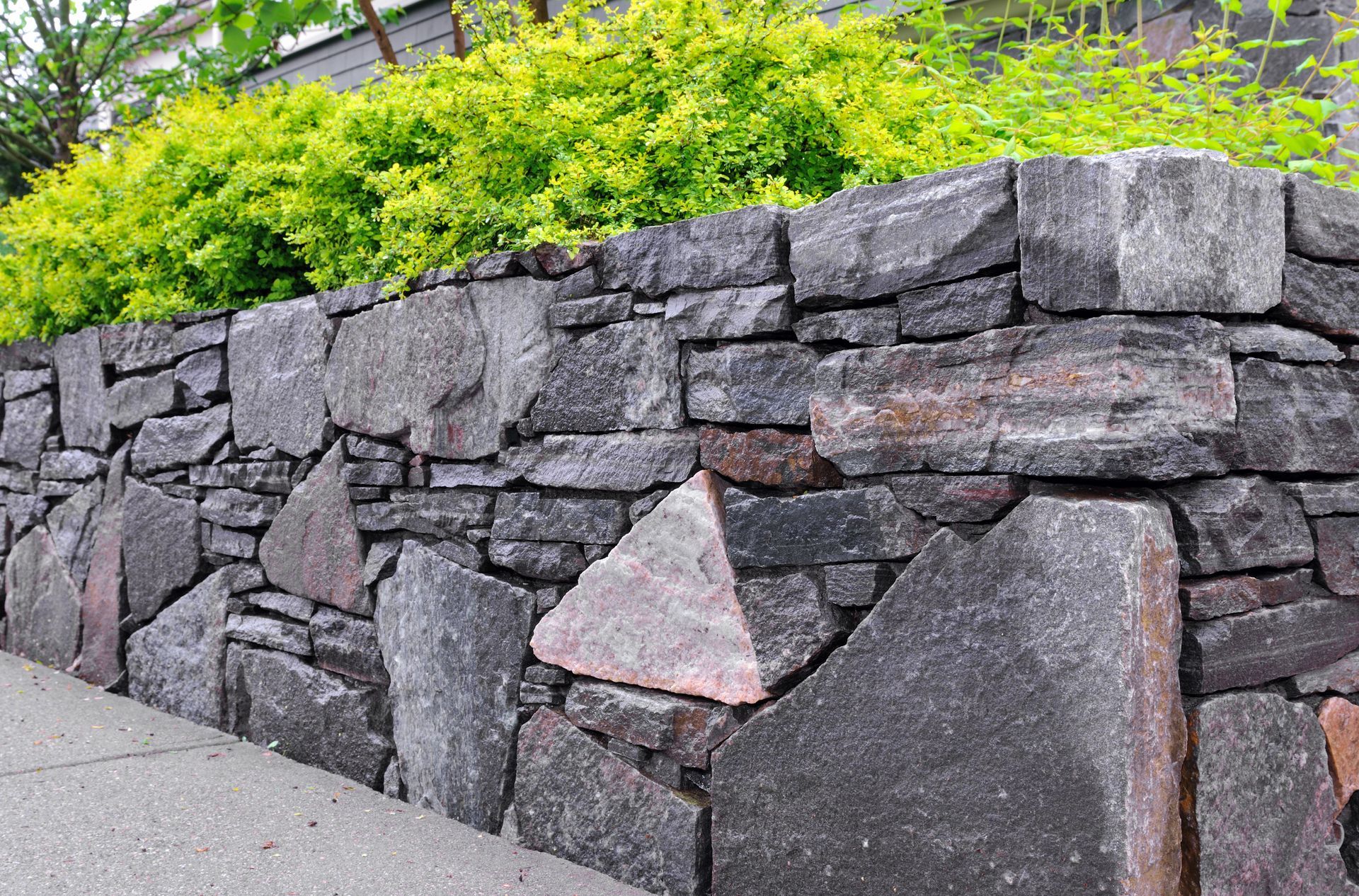
After the wall is in place, you'll see a slope that stays stable instead of eroding during heavy rain, and the grade transition creates usable space where the property was previously too steep to landscape or maintain. Soil that used to wash downhill during storms stays in place behind the wall, and drainage is controlled so water doesn't undercut the wall or pool behind it. The wall material and design are chosen based on how much load the slope puts on the structure and what the soil conditions require, not just what looks good in a catalog.
B&G carries $3 million in liability coverage and provides free estimates for retaining wall installation. The crew has experience building walls on sloped Triad properties where red clay movement and hydrostatic pressure require proper drainage and load-bearing design.
Questions About Retaining Walls We Answer Regularly
Property owners often ask what causes retaining walls to fail and how to know if their slope requires professional installation.
Why do retaining walls fail on sloped properties in the Triad?
Hydrostatic pressure from water buildup behind the wall, red clay movement, and improper drainage cause walls to shift or collapse if they're not designed to handle the slope load and soil conditions.
How do you choose the right material for a retaining wall?
The decision depends on slope load, soil conditions, and how much pressure the wall needs to hold, with material selected based on what the site requires rather than applying the same approach to every project.
Can a retaining wall be built while other site work is happening?
Yes, and that's the most efficient approach because the heavy equipment is already on site and the crew can coordinate wall placement with grading and drainage work.
What happens if drainage isn't addressed when building a retaining wall?
Water builds up behind the wall, creating hydrostatic pressure that pushes the wall forward and causes it to shift or fail, especially on properties with red clay that drains poorly.
How do I know if my slope needs a retaining wall?
If you're dealing with erosion on a sloped lot, soil that washes away during rain, or grade that's too steep to maintain, a retaining wall stabilizes the slope and prevents further soil loss.
B&G Land Management evaluates each property to determine wall placement, material selection, and drainage requirements based on slope load and site conditions. The crew builds retaining walls that hold up on Piedmont terrain and stands by the work.