Outdoor Surfaces Built Into Site Prep
Hardscaping in Winston-Salem for residential builds where cleared rock becomes landscape features
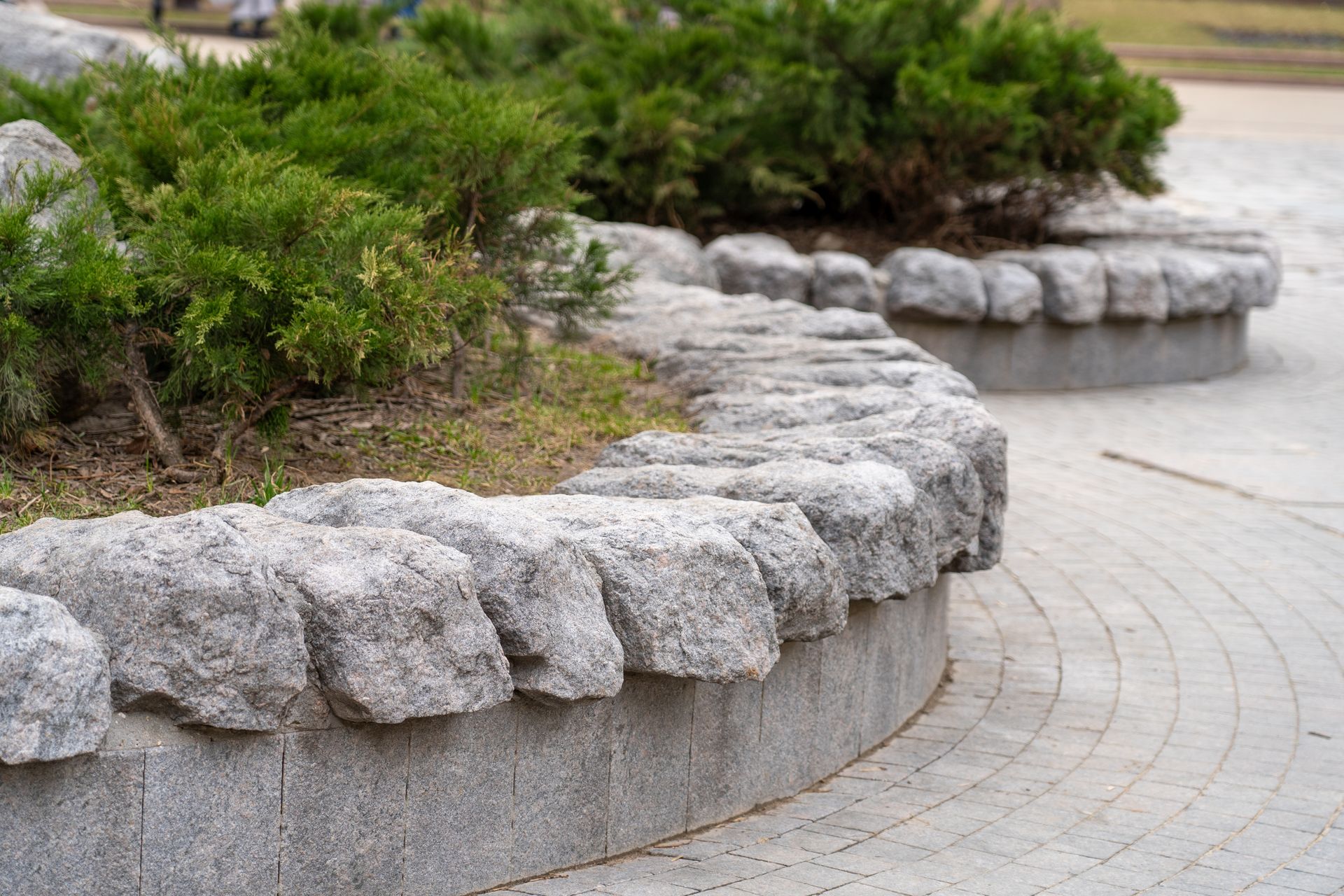
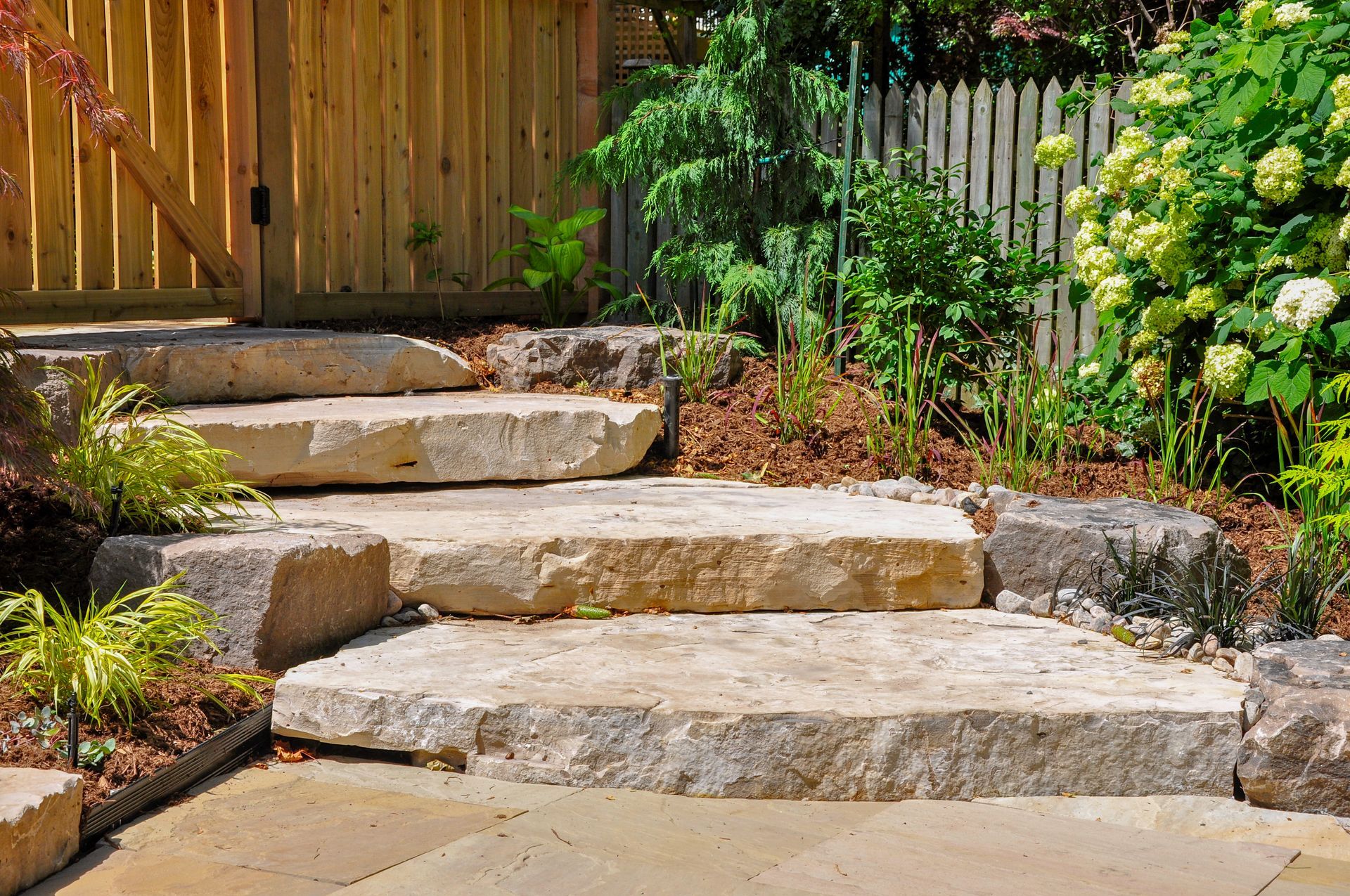
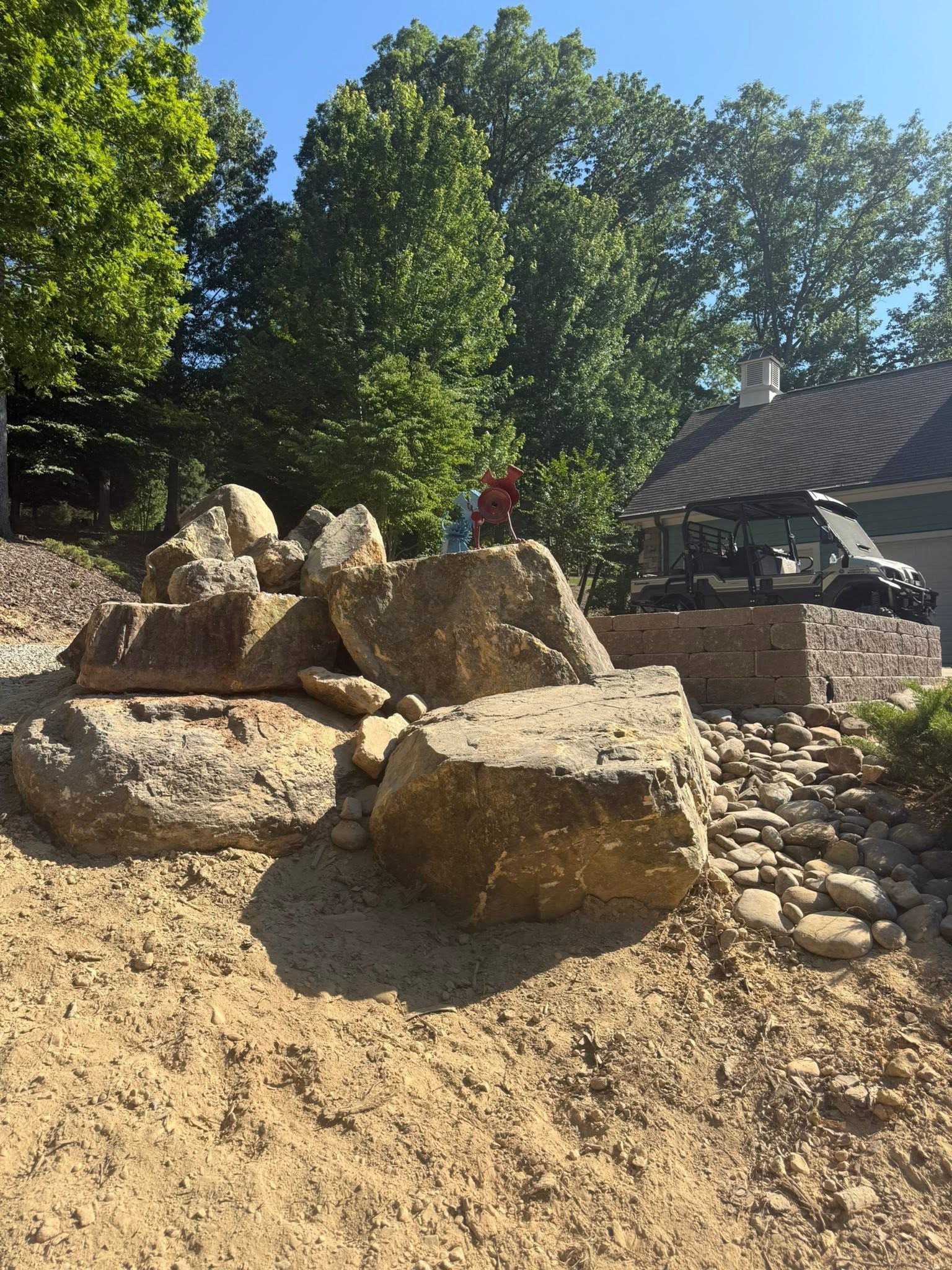
During site clearing and grading across the Triad, B&G Land Management places paver walkways, retaining walls, and landscape rockwork while equipment is already mobilized on your property. Rocks cleared from your job site get placed into landscape beds and feature borders rather than hauled off. This approach saves you a separate mobilization and allows hardscape placement to coordinate with the natural grade and drainage work already underway.
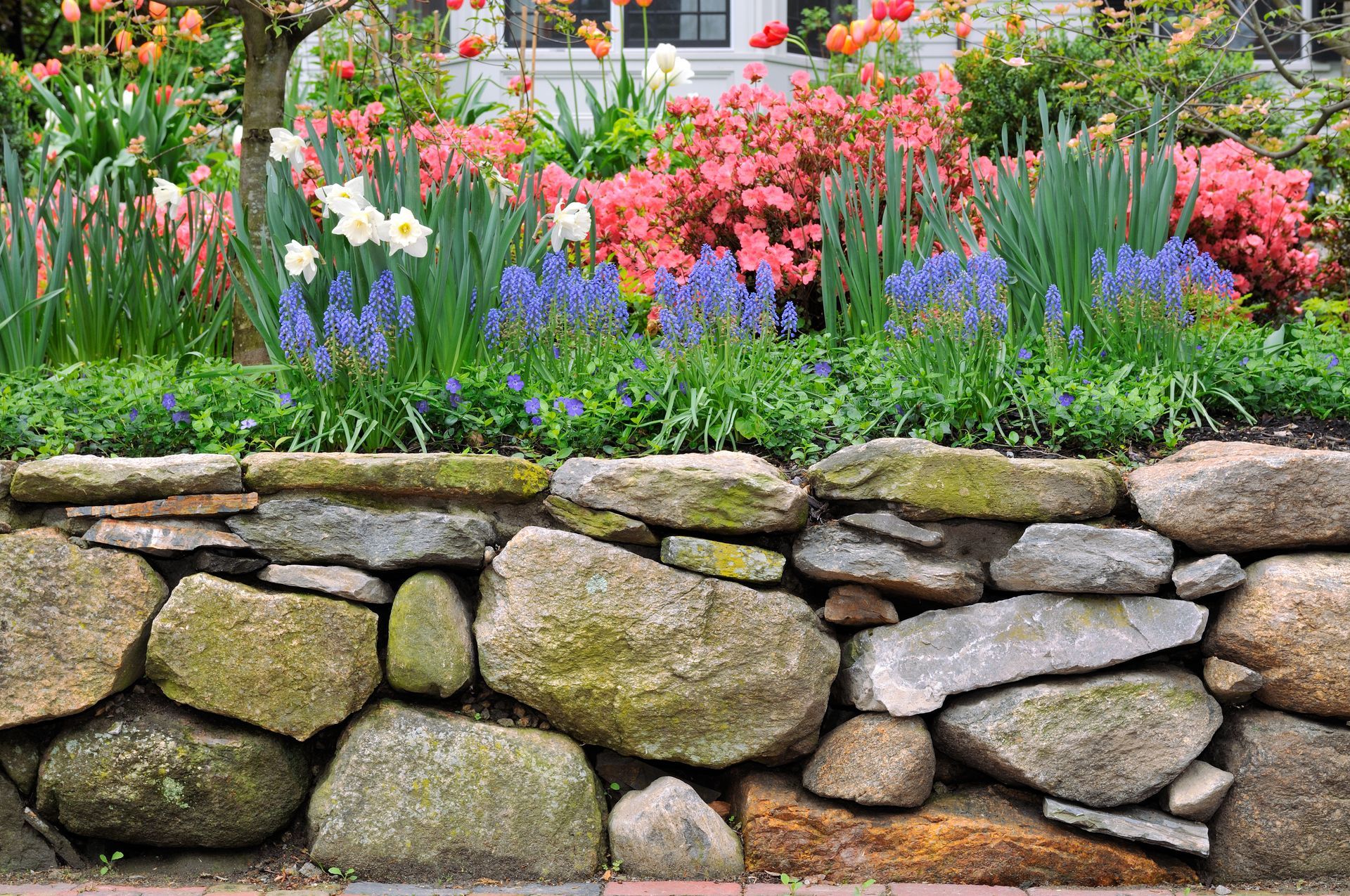
Paver walkways and retaining walls require proper base preparation in the dense Piedmont clay soil common across Forsyth and Surry counties. Base prep happens at the same time grading equipment establishes the final site elevations, which means your pavers and walls are set on compacted material that matches the surrounding grade work. Feature rockwork gets positioned during the clearing phase when material handling equipment is already moving across the site.
Request a site evaluation to review how hardscaping fits into your overall land improvement project.
Why Hardscape Placement Happens During Site Work
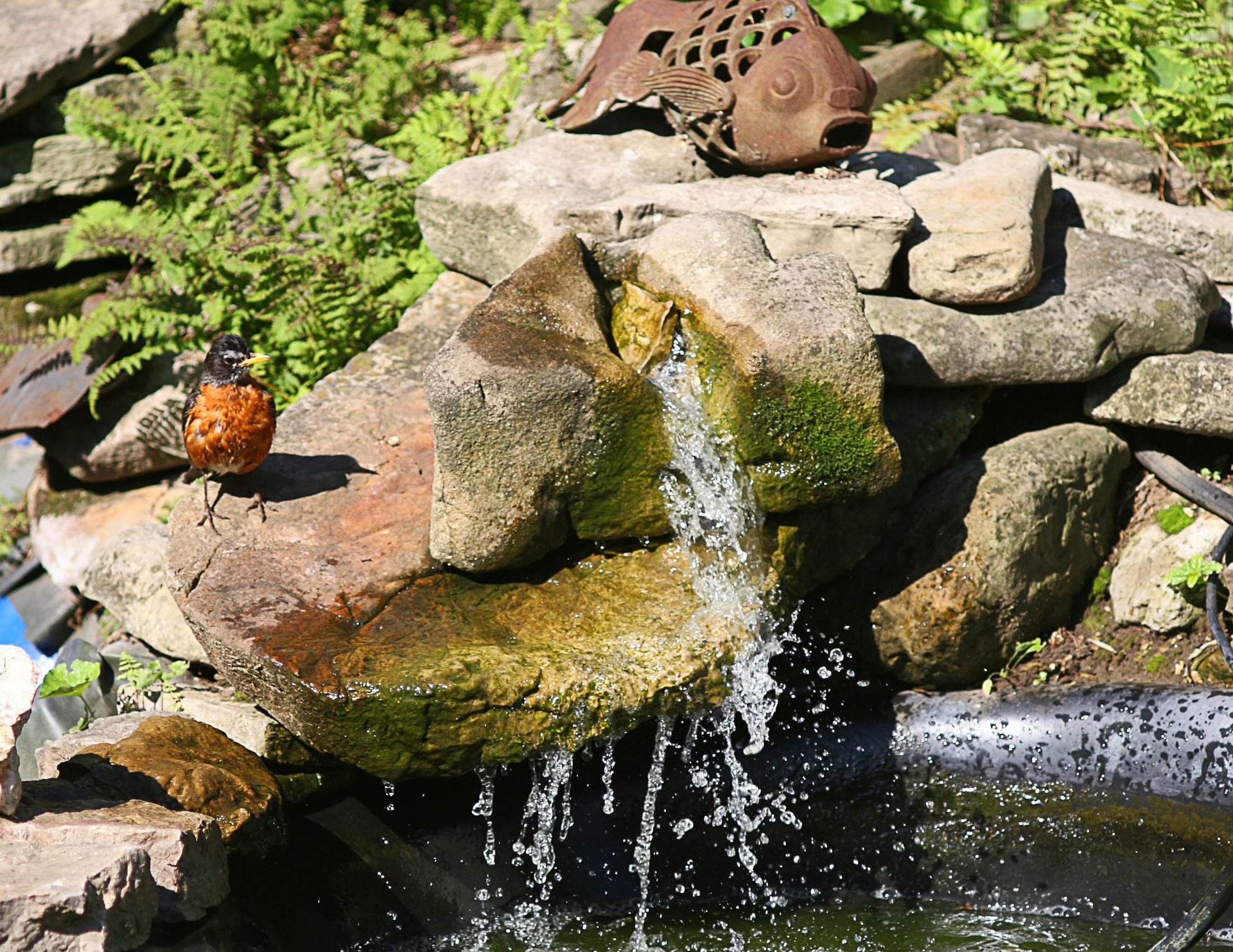
Hardscaping installed during active site work means base preparation and material placement happen with grading equipment already on your property. Compaction and drainage slope get dialed in while the crew is establishing final elevations for your building pad or yard grade. Rocks pulled from cleared areas get sorted and placed into walkway borders or landscape feature walls instead of being loaded onto trucks and removed.
After hardscape elements are placed, you see defined walkways that drain correctly, retaining walls that hold grade transitions without settling, and landscape features that look intentional rather than staged. Pavers sit level because they were set on a prepared base while compaction equipment was still moving across the site. Feature rocks stay in place because they were positioned during the phase when heavy equipment could dig them into proper depth.
This method works best for new builds and rural property improvements where site clearing, grading, and finish work happen in sequence. Hardscaping becomes part of the overall site prep rather than a separate contract that requires remobilizing equipment weeks or months later. The approach is practical for properties across the Triad where site work and outdoor improvements overlap in the project timeline.
Questions About Hardscaping on Triad Properties
Homeowners finishing new builds or coordinating land improvement projects across the Triad often ask how hardscaping fits into the site work sequence.
What base preparation does hardscaping require in Piedmont clay soil?
Pavers and retaining walls need a compacted aggregate base installed on graded clay subsoil. The base depth depends on whether the surface will carry foot traffic only or occasional vehicle weight. Compaction happens with the same equipment used for site grading, which ensures the base matches surrounding grade work and drainage slope.
How does coordinating hardscaping with site work reduce overall project cost?
Mobilizing grading equipment once instead of twice eliminates a separate trip charge. Material handling equipment already on site can move rock and place feature elements without a second crew. Base prep happens during the grading phase when compaction equipment is already working across your property.
What happens to rock cleared during site prep if it is not used for hardscaping?
Rock gets loaded and hauled off site, which adds dump fees and truck time to your project cost. Using cleared rock for landscape features and walkway borders turns waste material into finished site elements.
When should hardscaping be scheduled during a new build or land improvement project?
Hardscaping happens after rough grading establishes building pad elevations but before final topsoil placement and seeding. This timing allows paver bases and retaining wall footings to tie into the graded surface while leaving finish grade work for the final phase.
What types of hardscape projects work best during site clearing and grading in Winston-Salem?
Paver walkways connecting driveways to entry points, retaining walls holding grade transitions near building pads, and feature rockwork placed into landscape beds all coordinate well with active site work. Projects requiring detailed masonry or custom stonework may need a separate phase after site work is complete.
B&G Land Management handles hardscaping as part of the full site improvement process across residential properties in the Triad. Schedule a property visit to walk through how paver walkways, retaining walls, and feature rockwork fit into your land clearing and grading project.