Structures Cleared as Part of Site Prep
Demolition in Winston-Salem for older barns, outbuildings, and concrete pads blocking new construction
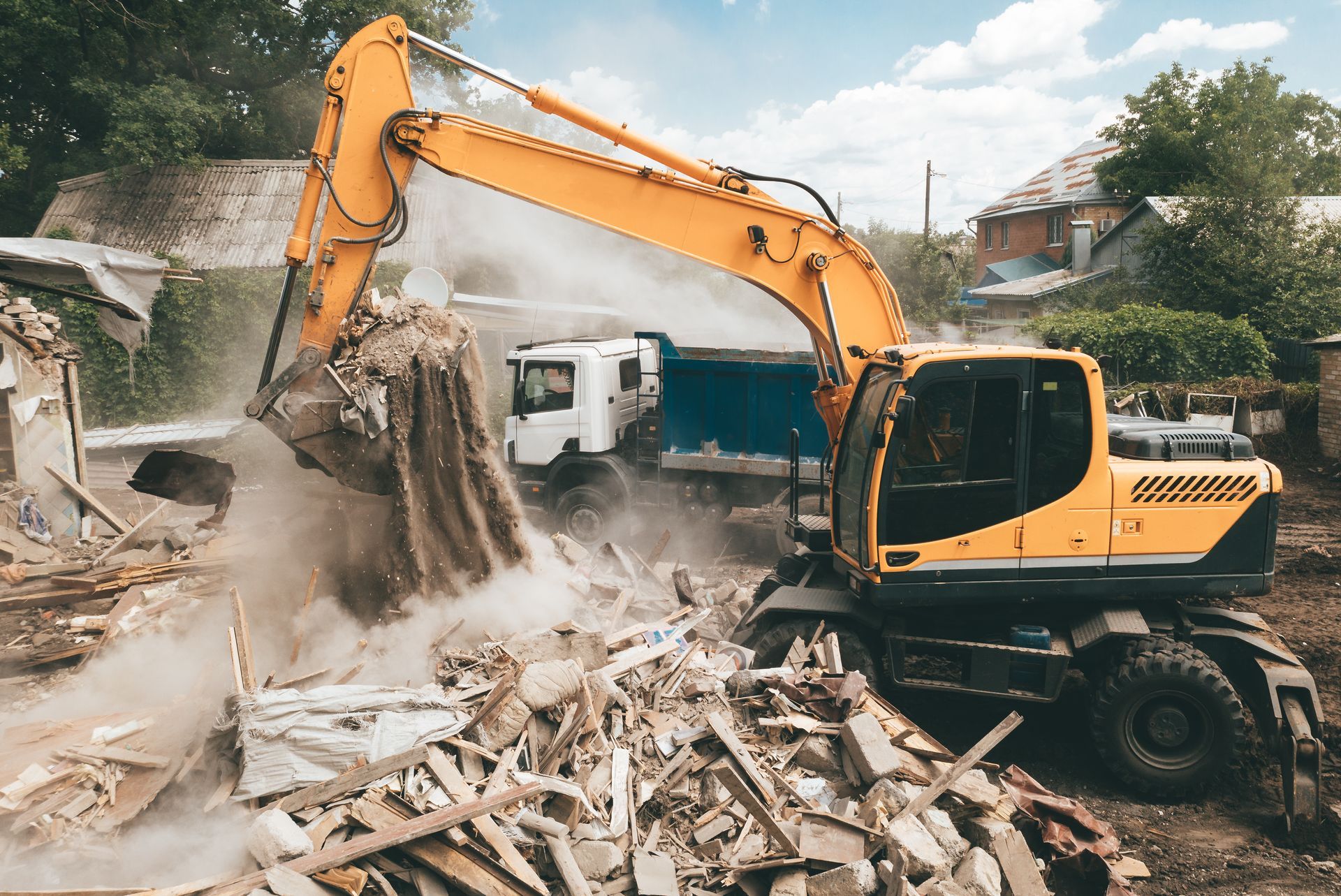
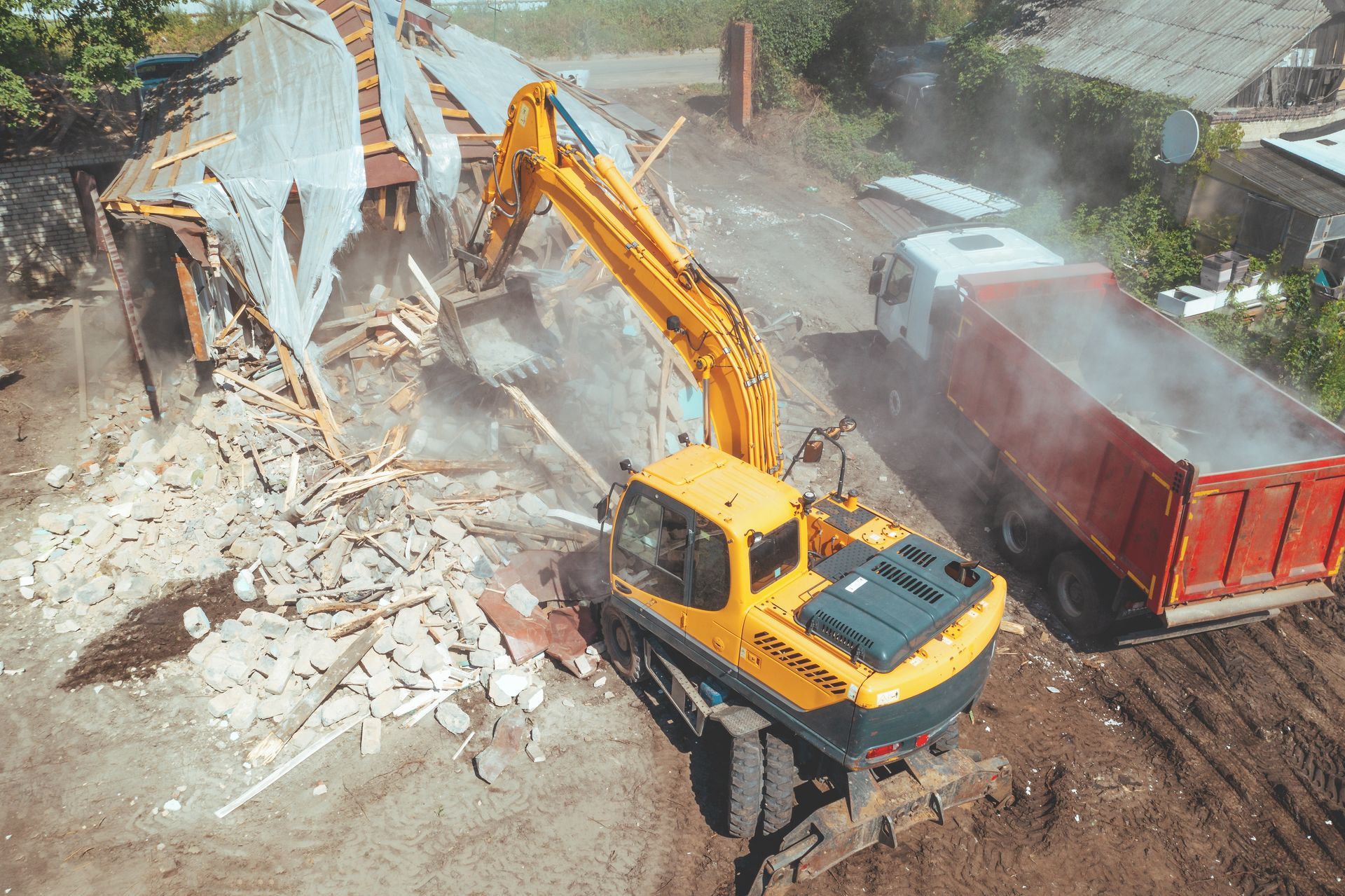
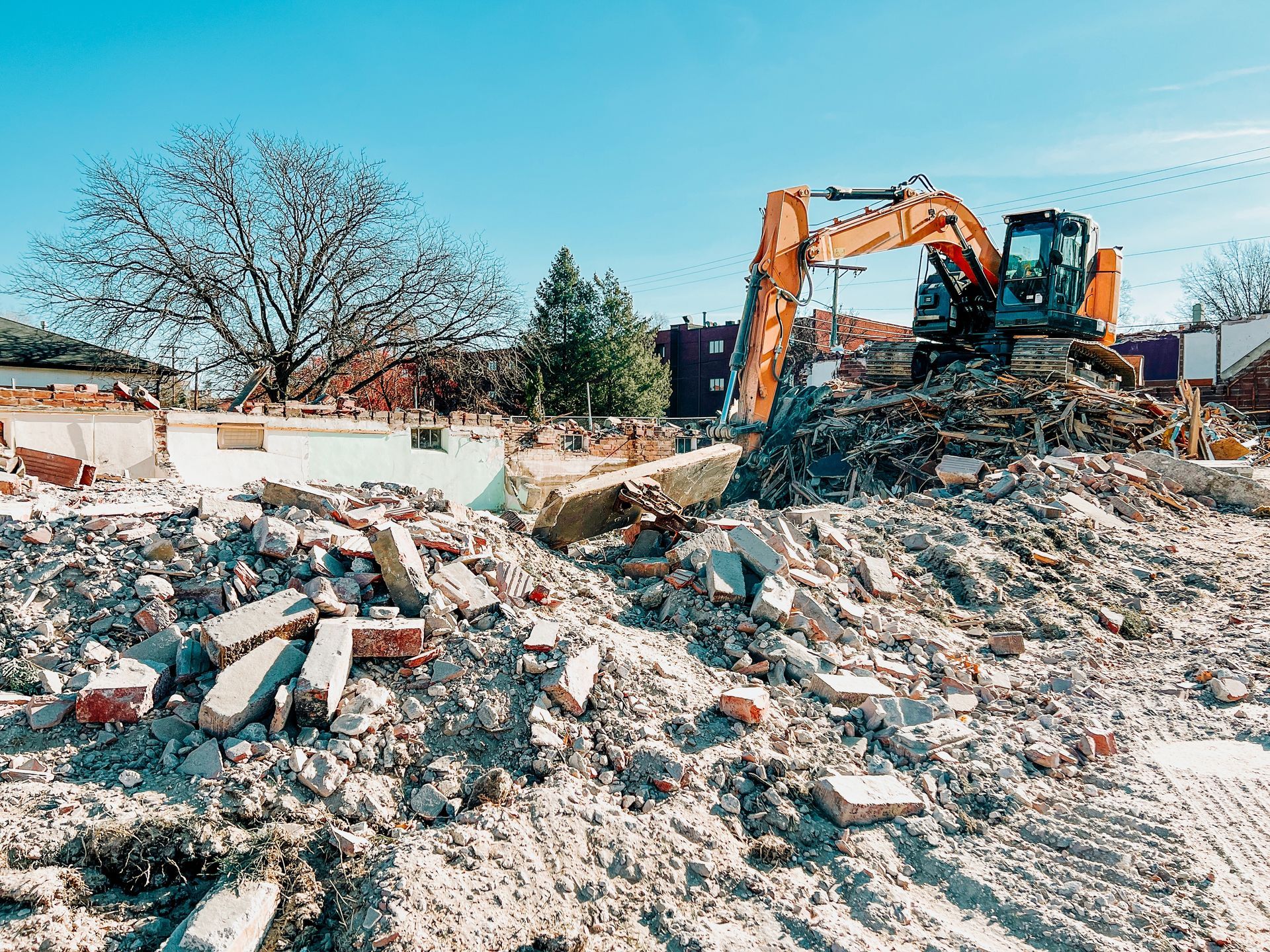
Demolition work on rural Triad properties happens with the same equipment and crew already mobilized for site clearing and grading, which eliminates the need to subcontract a separate demo crew. B&G Land Management handles structure and concrete demolition as part of the full site prep package, so older barns, outbuildings, and concrete pads across Surry County and outer Forsyth County get removed during the same mobilization that clears trees and establishes rough grade. This approach keeps your project moving without waiting for a second contractor to schedule and show up weeks later.
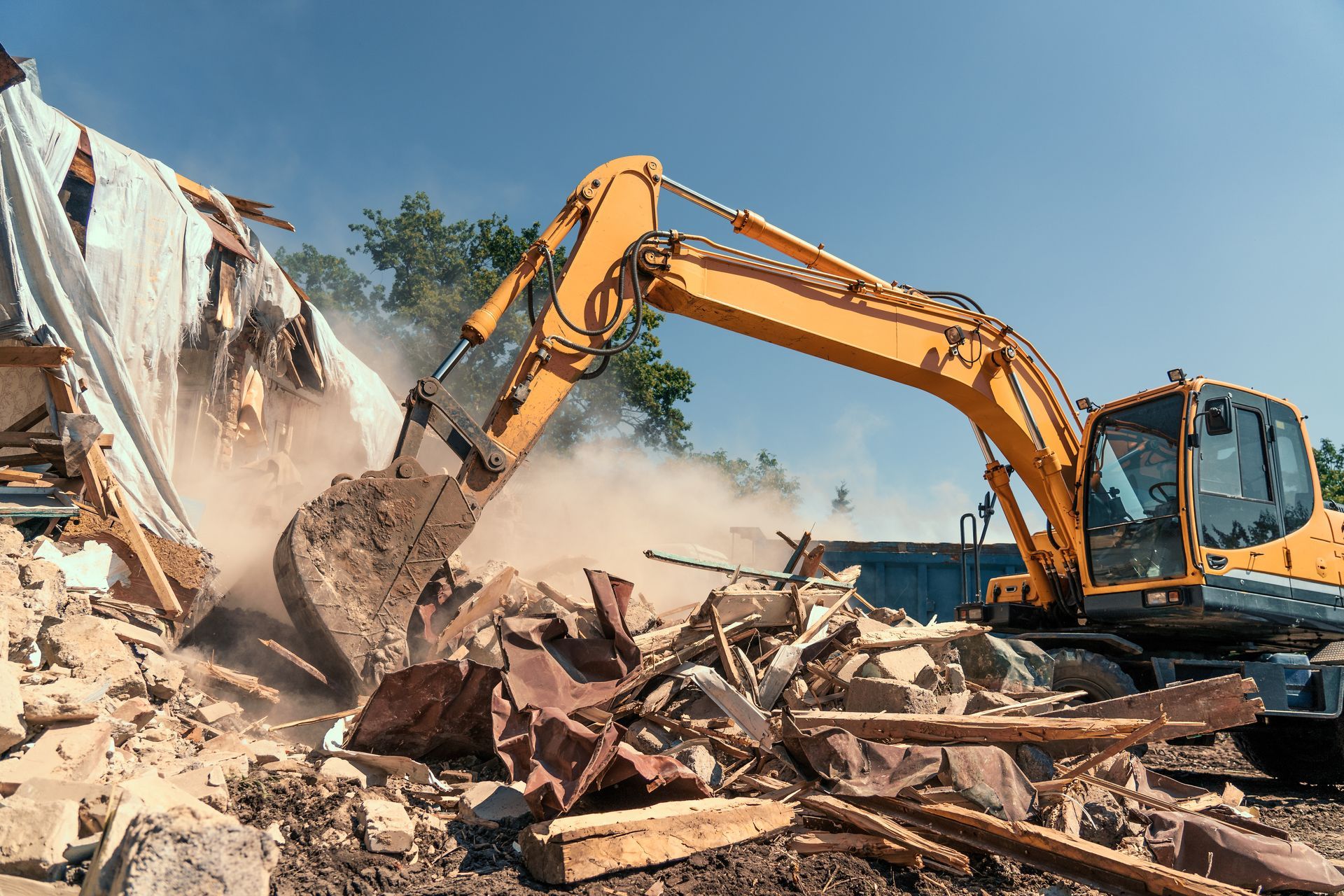
Demolition involves mechanical dismantling of wood-frame structures, breaking and removing concrete slabs and footings, and loading debris for proper disposal. The crew evaluates whether a structure contains materials requiring separate handling before demolition begins. Equipment selection depends on structure size and whether surrounding conditions allow tracked excavators or require more compact machines to avoid damaging adjacent areas you plan to keep.
Schedule a property evaluation to review demolition needs and how they fit into your overall site clearing timeline.
How Demolition Fits Into Complete Site Work
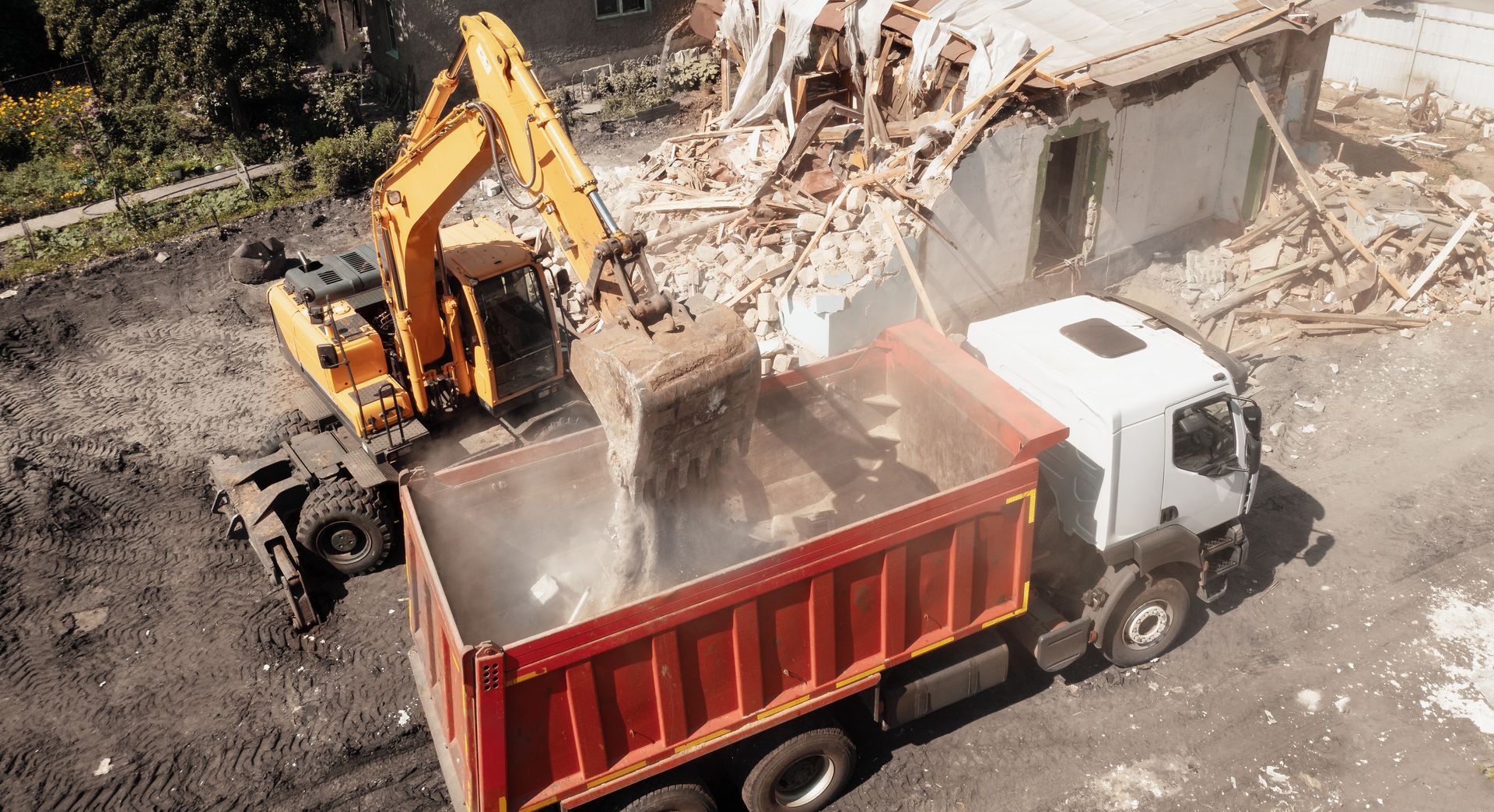
When demolition is part of a larger site work project, structure removal happens early in the sequence so grading equipment can establish final elevations without working around old foundations or pad edges. Concrete gets broken into manageable sections and loaded for disposal while material handling equipment is on site. Wood framing and metal roofing get separated and hauled to appropriate disposal or recycling facilities based on material type.
After demolition work is complete, you see a cleared building footprint ready for grading without remnant foundations, floor slabs, or debris piles interrupting the site. Grade transitions flow smoothly because old concrete pads no longer create elevation breaks. The site is ready for the next phase of work without waiting on a separate crew to return and finish hauling material.
Demolition services from B&G are backed by three million dollars in liability coverage and twenty years of combined industry experience. The crew brings demolition capability as part of the full site work package, which means one point of contact and one schedule to coordinate rather than managing multiple subcontractors. Older structures on rural properties often contain surprises once dismantling begins, and having the same crew on site from start to finish allows adjustments without resetting the project timeline.
What Property Owners Usually Ask
Demolition questions from Triad property owners typically focus on process, disposal requirements, and how demo work coordinates with site clearing and grading.
What gets evaluated before demolition begins on an older outbuilding or barn?
The crew inspects for materials requiring separate handling, such as asbestos siding or treated lumber, and checks whether the structure contains salvageable metal or reusable timber. Utility disconnects must be confirmed before demolition equipment contacts the structure. Foundation type and depth affect how concrete removal will proceed once the structure is down.
How does coordinating demolition with site work reduce overall project cost in Winston-Salem?
Mobilizing one equipment fleet for demolition, clearing, and grading eliminates multiple trip charges. Material handling equipment processes debris and loads trucks without returning for a second phase. Grading begins immediately after demolition clears the footprint, which keeps your project timeline compressed and reduces total labor hours billed.
What happens to debris after a structure is demolished?
Wood framing, metal roofing, and concrete get separated and hauled to disposal or recycling facilities based on local requirements. Concrete can sometimes be crushed and reused as base material for driveways or pad areas if your site plan allows. Demolition debris is not left on site or buried unless you specifically request material to remain for a documented purpose.
When should demolition be scheduled during a new build or rural site improvement project?
Demolition happens after survey work and site layout are complete but before any grading equipment begins establishing final elevations. This timing ensures old structures do not interfere with grade work and allows debris removal to happen while material handling equipment is already on your property.
What distinguishes commercial demolition equipment from the gear used by general handyman operations?
Commercial demolition equipment includes hydraulic excavators with shear and grapple attachments capable of controlled dismantling, track loaders for debris handling, and dump trucks rated for heavy material loads. Handyman-level demo relies on manual labor and light equipment, which increases project duration and limits the structure size that can be safely handled.
B&G Land Management provides free estimates on demolition projects across rural and residential properties in the Triad, with demolition handled as part of the complete site preparation process. Set up a site visit to walk through structure removal, debris disposal, and how demo coordinates with your land clearing and grading timeline.