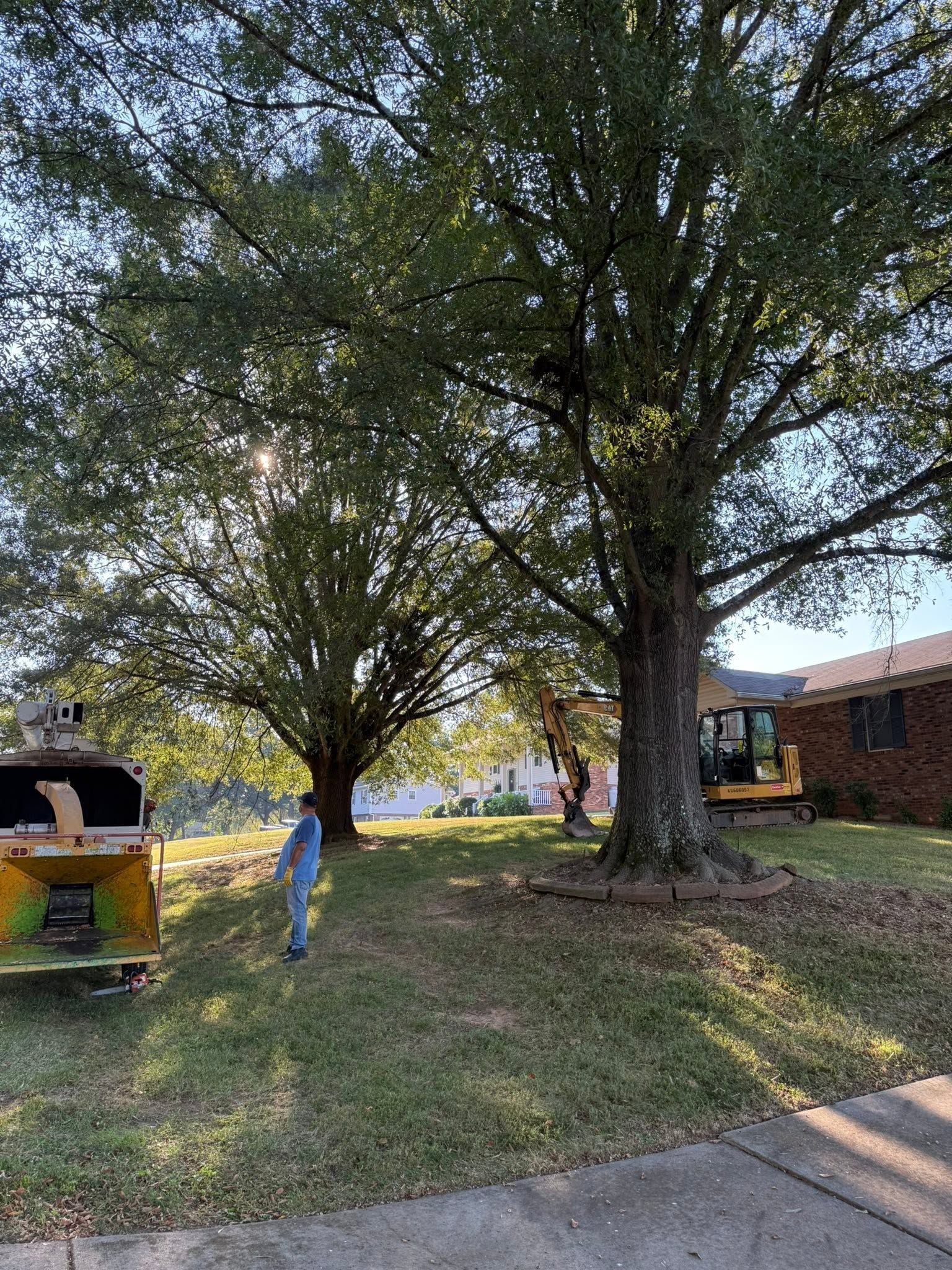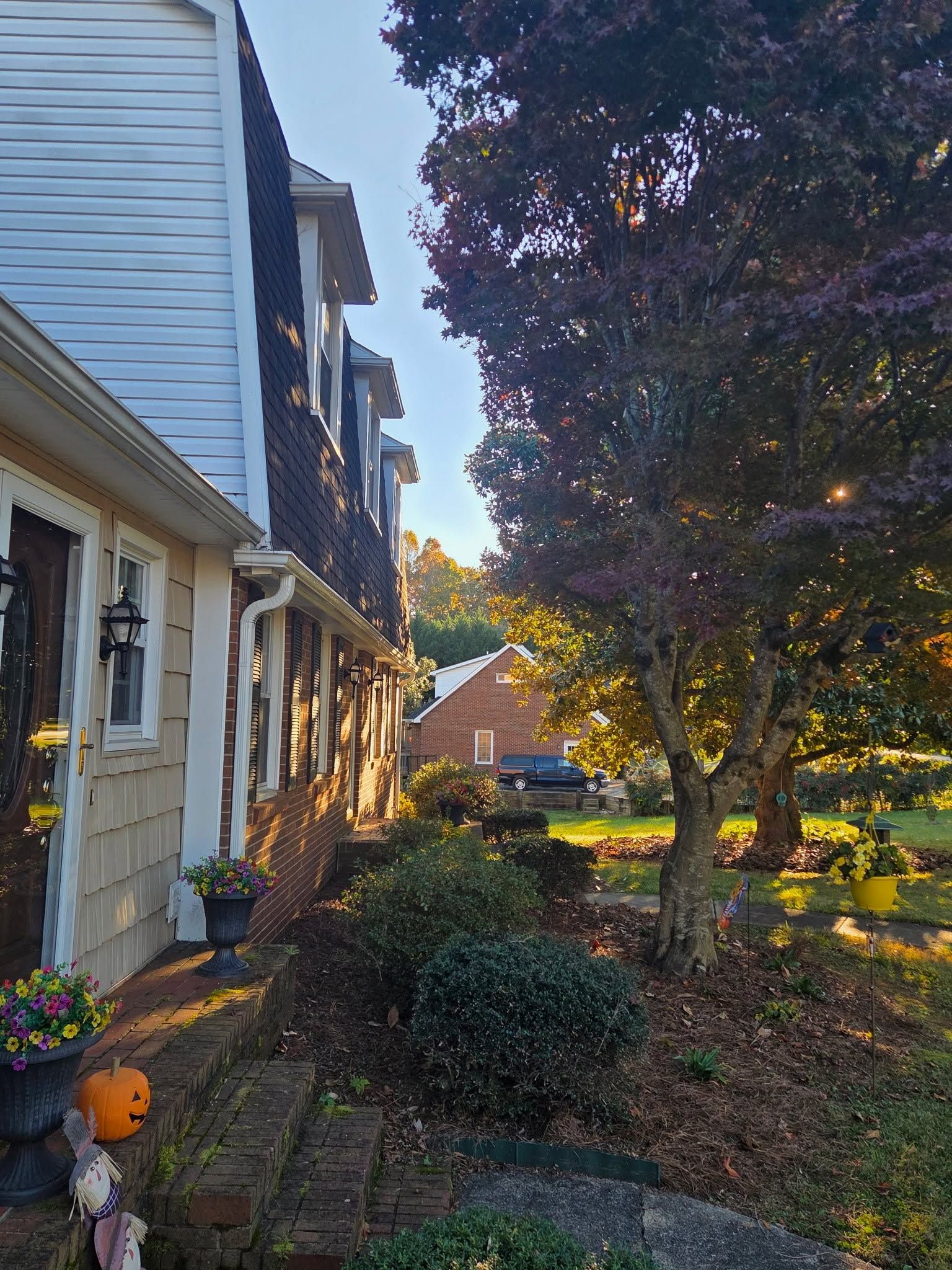
Final Grade and Lawn Establishment
Landscaping in Winston-Salem for new construction sites transitioning from raw cleared land to finished yard
Triad homeowners completing new construction or site work across Oak Ridge and Pfafftown residential lots need a clean final grade and basic landscaping to close out the project. B&G Land Management performs landscaping as the final phase of site work, which means the same crew and equipment that cleared and graded your property finishes it out. This eliminates handoff delays and ensures the crew placing topsoil and establishing lawn already understands the drainage patterns and grade work completed earlier in the project.
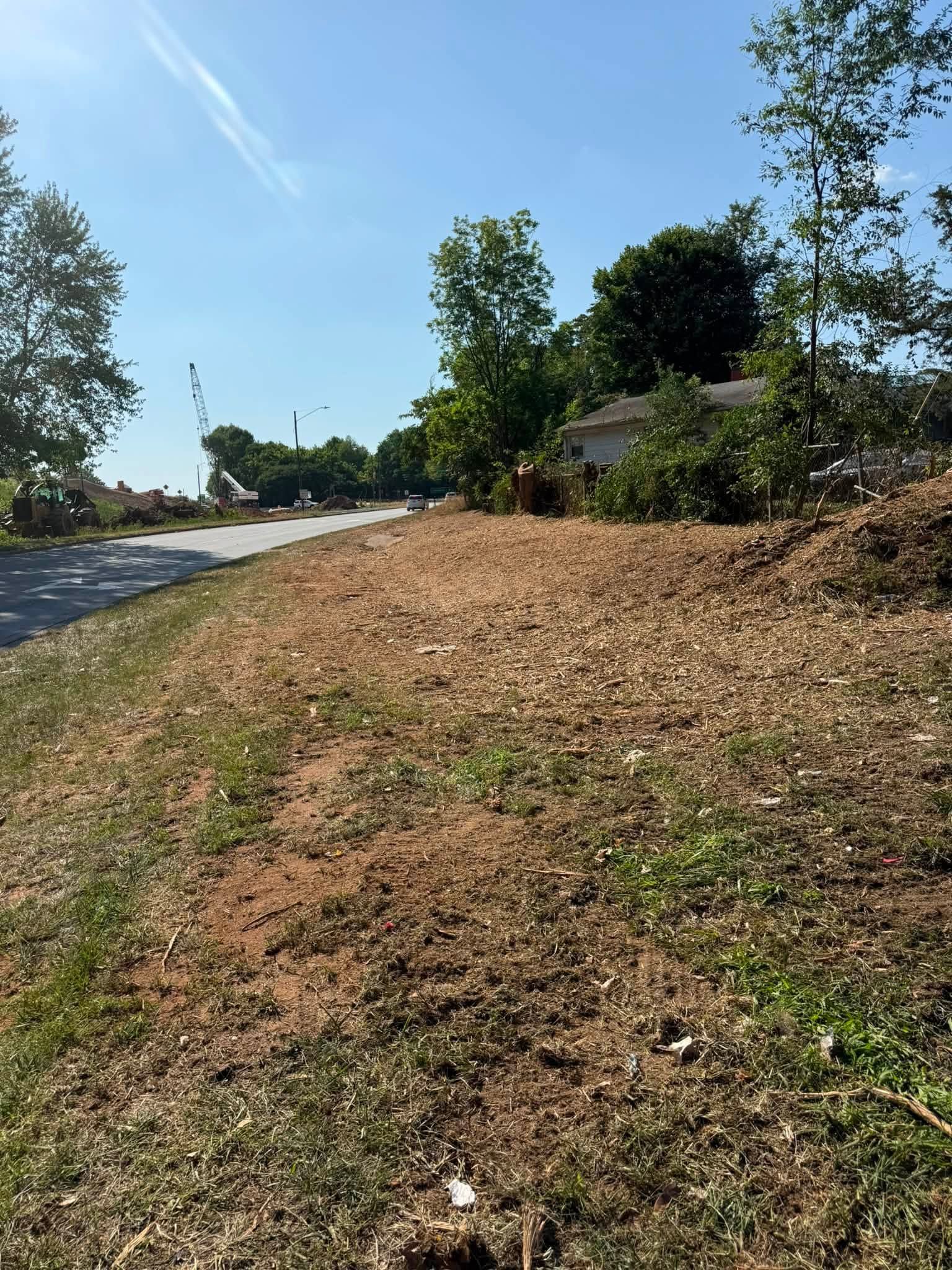
Landscaping involves spreading topsoil to specified depth, fine-grading to smooth out equipment tracks and settle spots, seeding or sodding based on your preference, and placing erosion control where needed until vegetation establishes. Final phase work also includes basic landscape bed preparation if your plan calls for planting areas near the foundation or along walkways. The crew references the drainage plan established during rough grading to ensure finish grade directs water away from structures and toward designed drainage routes.
Request an estimate to review how landscaping completes your site work and what options fit your timeline and budget.
What the Service Actually Accomplishes
Landscaping transforms a graded building site into a functional yard by placing topsoil over compacted subgrade, smoothing the surface to eliminate low spots and ruts, and establishing grass cover that controls erosion and dust. Seeding requires less upfront cost but takes longer to establish full coverage, while sod provides instant ground cover and erosion control but costs more per square foot. Both approaches require consistent watering during the establishment period to develop root systems capable of surviving Triad summer heat.
Once landscaping is complete, you see a graded yard that sheds water correctly, grass coverage that holds soil in place during rain events, and landscape beds positioned where planting areas were planned. The finished site no longer looks like a construction zone with exposed dirt and equipment ruts. Walking across the yard does not result in mud tracking into the house or erosion channels forming after the first heavy rain.
This service assumes basic lawn establishment and site finish work, not detailed landscape design with specimen plantings, irrigation systems, or hardscape features beyond what was placed during earlier site work phases. The goal is to deliver a finished yard ready for the homeowner to maintain or further develop with planting and landscape improvements over time. Properties with challenging grades, heavy clay subsoil, or significant drainage correction needs may require additional topsoil depth or soil amendments to support healthy turf growth.
Common Questions About This Service
Homeowners closing out new builds or land improvement projects across the Triad often want to understand what landscaping includes and how final phase work coordinates with earlier site prep.
What topsoil depth is needed for lawn establishment on graded sites in Winston-Salem?
Four to six inches of topsoil over compacted subgrade provides adequate rooting depth for turf grasses common in the Triad. Properties with heavy clay subgrade may benefit from deeper topsoil placement or compost amendments mixed into the top layer to improve drainage and root penetration. Topsoil depth affects material cost, so the decision balances budget against long-term turf health.
How does final grading differ from the rough grading completed earlier in the project?
Rough grading establishes building pad elevations and major drainage routes using heavy equipment. Final grading smooths the surface with lighter equipment or hand tools, removes rocks and construction debris, and fine-tunes slope to eliminate standing water or erosion channels. Final grade happens after utilities are installed and backfilled but before topsoil placement.
When should seeding or sodding happen during the construction timeline?
Seeding or sodding happens after final grade is approved and topsoil is placed. Timing depends on season—cool-season grasses establish best in fall or early spring across the Triad, while warm-season grasses require late spring or summer planting. Winter months are not ideal for establishing turf because cold soil temperatures slow germination and root development.
What maintenance is required after landscaping is complete?
Newly seeded areas need consistent watering until grass reaches mowing height, typically two to three weeks depending on weather. Sod requires daily watering for the first week and then gradually reduced frequency as roots establish. Erosion control measures remain in place until grass coverage is dense enough to hold soil during rain events.
How does landscaping by the same crew that cleared and graded the site improve results?
The crew already understands where drainage swales and grade breaks are located, which prevents accidental alterations during final grading. Equipment is still on site, so adjustments to grade or drainage can happen without remobilizing. Communication is simpler because the same point of contact manages the project from clearing through final landscape establishment.
B&G Land Management handles landscaping as the final chapter of site work across residential properties in the Triad, with the service backed by three million dollars in liability coverage and a family-owned operation that stands by finished results. Call for a free estimate on completing your new build or site improvement project with professional final grading and lawn establishment.